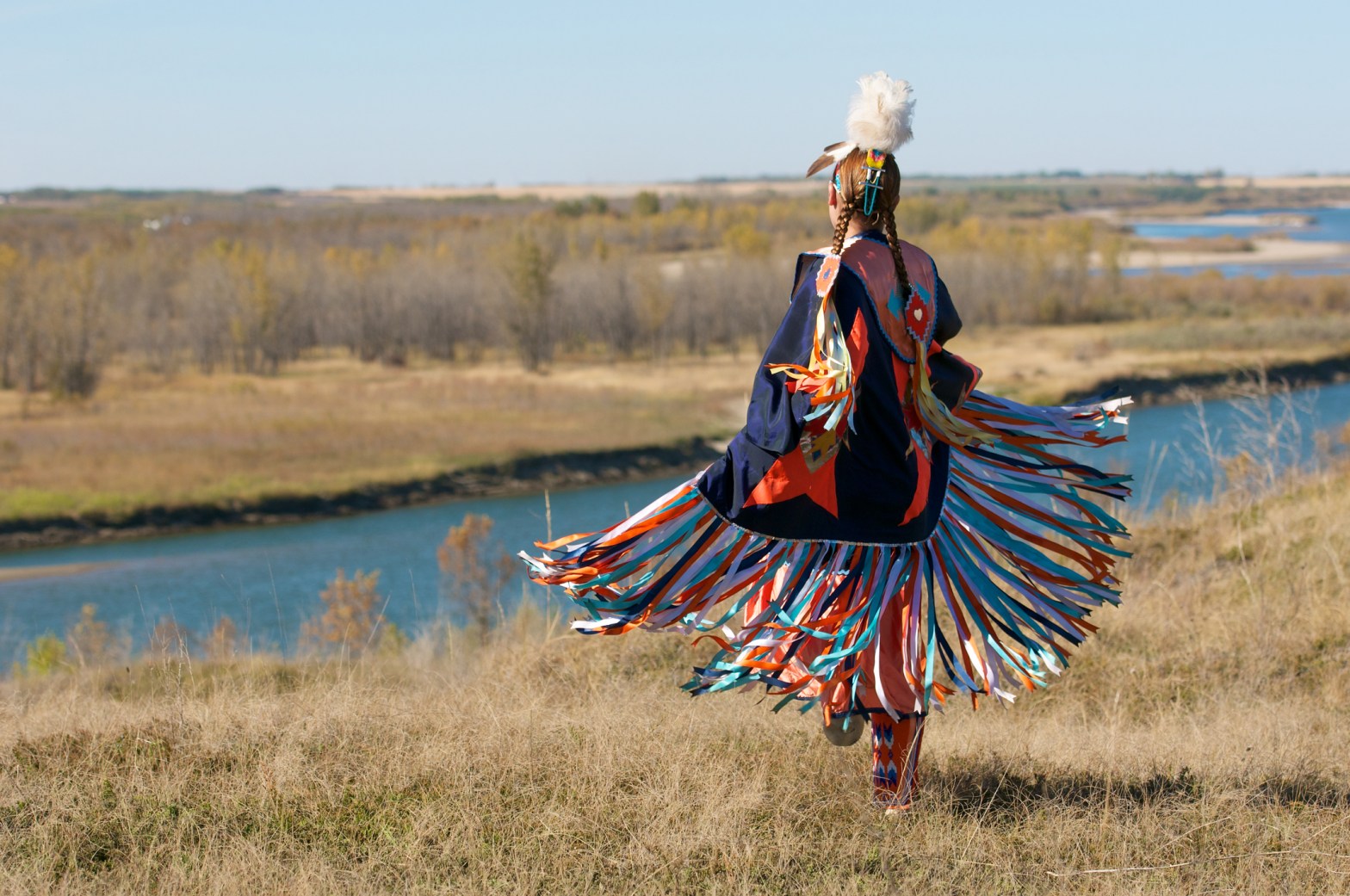
Columbus Day is moving toward Indigenous Peoples’ Day as we understand the realities of European exploration and conquest with respect to today’s standards of decency. When Columbus ‘discovered’ America in 1492, he was looking for India, he was in the Bahamas, and people were already there.
What did he discover?
Under the Doctrine of Discovery, first issued by Pope Urban II in 1095, then by Pope Nicholas V in 1452, and finally by Pope Alexander VI in 1493, Christians were considered the only civilized people in the world and Christians had a God-given right to capture, vanquish, and take possession of lands from pagans such that barbarous nations may be overthrown and brought into the Catholic faith.
These Doctrines were used by Thomas Jefferson in 1792 to assert that European settlers could take land from Native Americans. This determination was upheld by the Supreme Court in 1823, although some of them were landowners and did not recuse themselves. The court decided that through Britain’s right of discovery, the United States government had the right of land ownership and Native Americans had a right of occupancy that could be lost if the Native Americans were not present on the land.
By the Discovery standards of 1493, Columbus was a man of his time. Tammany Hall, a social/political organization in New York City organized one of the first celebrations in 1792 on the 300th Anniversary. Italian and Catholic Americans were proud of Columbus’s heritage and in 1892 President Benjamin Harrison issued a proclamation to celebrate the 400th Anniversary. In 1937, through lobbying efforts by the Knights of Columbus, President Roosevelt made October 12th Columbus Day. It was changed to the second Monday in October as part of the National Holiday Act of 1971.
Although Columbus was a man of his time, times are changing. Today we know that the first humans arrived in America approximately 20,000 years ago from Asia via Siberia across the Bering Land Bridge to Alaska. Working their way down the coast and inland along significant waterways, humans eventually populated the entire continent. Maybe it is time to recognize and celebrate the sufferings and contributions of the indigenous people who were here to greet the European explorers and settlers.
 Jeff Bensch